One of Eskom's most reliable producing units will be offline for a longer period of time than anticipated
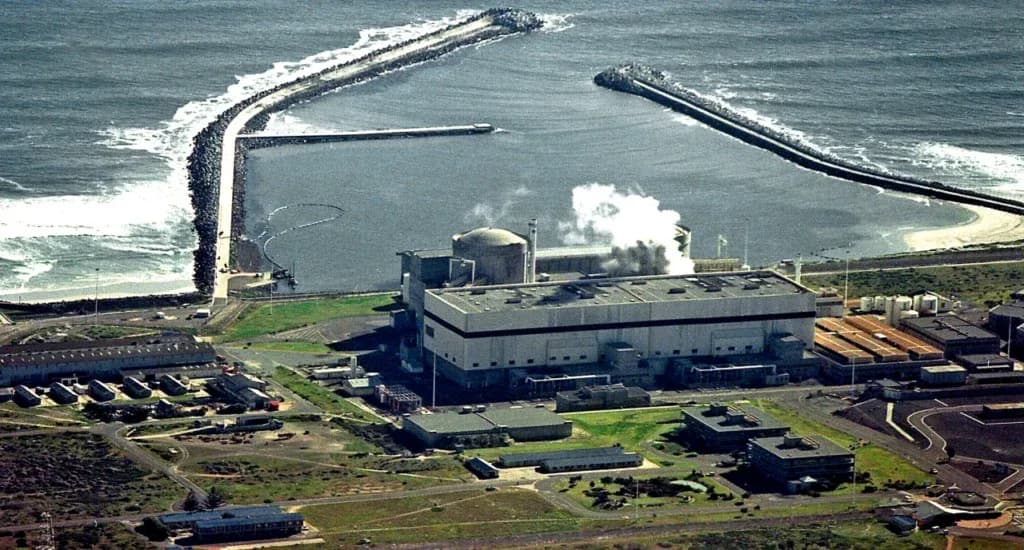
Eskom has fulfilled a crucial milestone in the Koeberg Nuclear Power Station Unit 1 maintenance plan, although it is running weeks behind schedule. The plant, which has a capacity of 920MW, is undergoing scheduled maintenance to enable for the replacement of its steam generators. The plant was shut down in December 2022 due to increased
One of Eskom's most reliable producing units will be offline for a longer period of time than anticipated
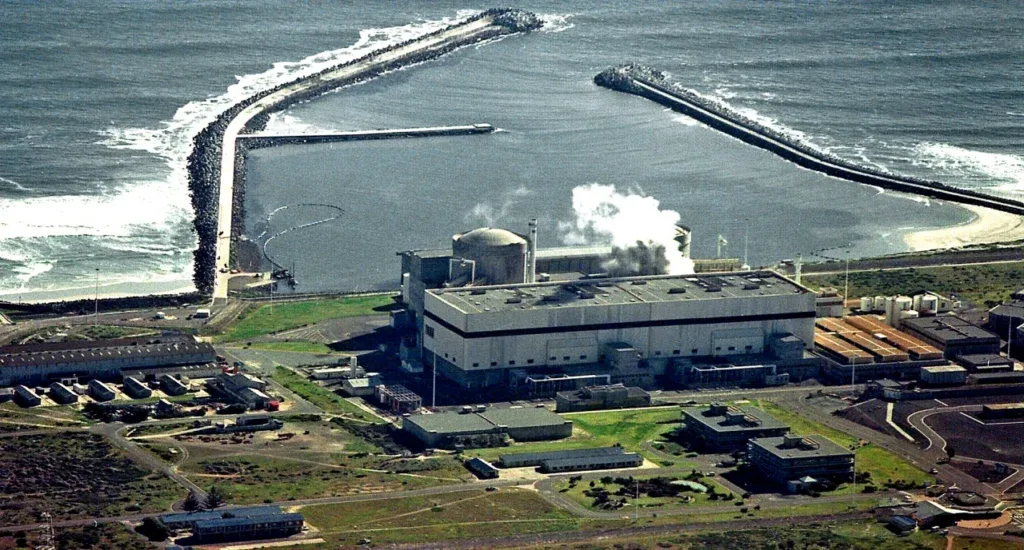
Eskom has fulfilled a crucial milestone in the Koeberg Nuclear Power Station Unit 1 maintenance plan, although it is running weeks behind schedule.
The plant, which has a capacity of 920MW, is undergoing scheduled maintenance to enable for the replacement of its steam generators.
The plant was shut down in December 2022 due to increased load shedding, and it was projected to stay down for six months.
This is consistent with the government’s Energy Action Plan Intervention One, which seeks to guarantee that all power plants are adequately maintained and operating at peak efficiency in order to prevent additional declines in the power utility’s energy availability.
The power provider revealed that the power station’s initial steam generator had been dismantled and stored in a storage facility.
“This is a significant accomplishment for the Koeberg team, the contractor and the numerous local and international subcontractors involved in the project. It is a great relief to have reached this milestone as the steam generator replacement project has experienced numerous false starts in previous outages and some unexpected challenges during the execution in the current outage to get to this point in the project,” Eskom said on Tuesday.
The dismantling of the steam generator, according to the electrical provider, is a dangerous operation owing to its size.
“The logistics of moving the steam generators from their installed [vertical] position out of containment (horizonal at an elevation of 20m), to placing them on a flatbed transporter (horizontal) can only be appreciated if one understands the size and weight of each steam generator.
“Each of them is 22m tall with a diameter of 4.5m (top half) and 3.5m (bottom half) and they each weigh over 320 tons. From here on all that is needed, is to take out the other two that are ready for lifting and install the three new steam generators,” Eskom said.
Many measures must to be done before the operation may be carried out. These are some examples:
- Rigging the remaining two steam generators out from their positions inside containment.
- Rigging the three new steam generators into their exact position inside the containment building.
- Performing the 6 critical welds (2 per steam generator) that joins the steam generators to the primary system piping.
- Perform radiography on the welds to ensure they meet the code requirements.
- Re-installing all the access platforms that enable people to work all the way up the steam generators (seven stories of permanent structures and temporary scaffolding).
- Reinstall all the other piping connections (steam pipe at the top, feedwater pipe, and all the other smaller sampling and instrumentation connections) once access is available. In all cases performing the required level of quality control.
- Install new thermal insulation over the whole steam generator surface and all the pipes that were worked on (around 120 tons was removed).
- Remove all the temporary equipment that was required to be installed to allow the work to be done safely (scaffolding (85 tons), lead shielding (70 tons), electrical supplies (22 distribution boards and 1 km of cabling), etc).
Delay in resuming service
The unit’s return to operation has been postponed, according to Eskom, since these actions must be completed properly.
“After [these steps], we still need to complete the maintenance activities scheduled for the outage, commission all the systems, refuel the reactor, and return the unit to service. Due to the delays that have already been experienced, the original return to service date for the unit is no longer achievable.
“Although every effort is being made to reduce the impact, we are currently running a few weeks late. The Generation production plan is being optimised to minimise as far as possible the impact of the projected delay on the system,” the power utility said.
“In accordance with the safety analysis that was performed and submitted to the National Nuclear Regulator in support of the application to extend the plant life by 20 years, the steam generators are the last large component replacements that are needed to ensure Koeberg can operate safely for the requested additional period of operation.
“Thus, Eskom sees this milestone as an important step on the path to safely extending the life of Koeberg,” Eskom said.
Later this year, Koeberg’s second unit will be shut down for a similar period of time to replace its three steam generators.