
Kenya's Co-op Bank gets $100m to expand business lending
Kenya's Co-operative Bank has secured a $100 million financing programme from the European Bank for Reconstruction and Development (EBRD),
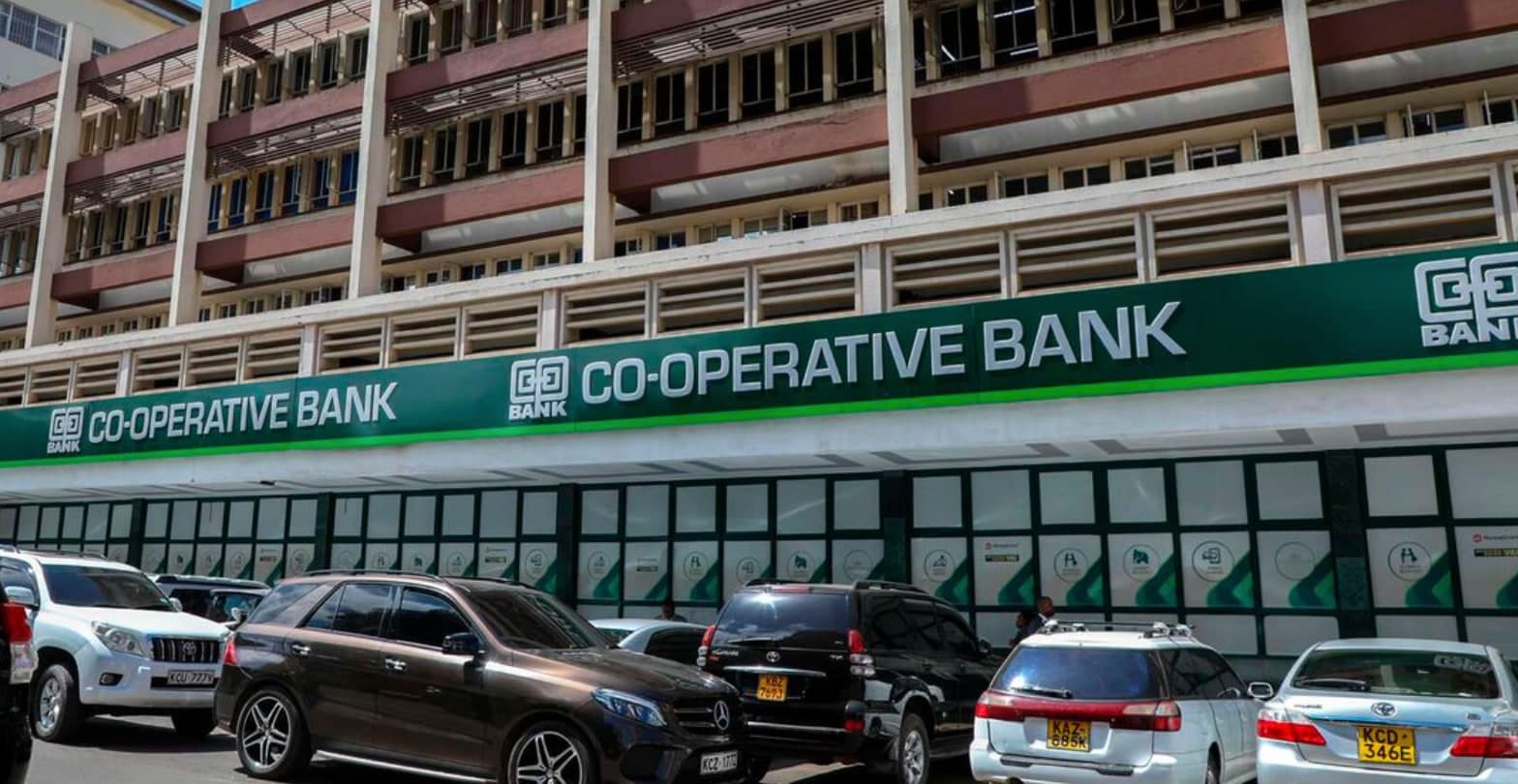
Co-op Bank
Kenya's Co-operative Bank has secured a $100 million financing programme from the European Bank for Reconstruction and Development (EBRD), giving the lender more capacity to provide foreign-currency financing to Kenyan businesses.
The first $50 million has already been completed through a cross-currency swap, with the remaining $50 million forming part of the wider programme.
The funding is aimed at businesses in exporting, manufacturing, agriculture, agro-processing, horticulture, floriculture, logistics and tourism.
For these companies, access to foreign currency can be a day-to-day business issue rather than a financial-market concern.
AI-generated summary. It can miss nuance — read the full story above for the complete picture.
Kenya's Co-operative Bank has secured a $100 million financing programme from the European Bank for Reconstruction and Development (EBRD), giving the lender more capacity to provide foreign currency financing to Kenyan businesses. The first $50 million has already been completed through a cross-currency swap, with the remaining $50 million forming part of the wider programme. The funding is aimed at businesses in exporting, manufacturing, agriculture, agro-processing, horticulture, floriculture, logistics and tourism.
For these companies, access to foreign currency can be a day to day business issue rather than a financial-market concern. An exporter may need to pay farmers, packaging companies and transporters before an overseas customer settles an invoice. A manufacturer may need dollars to purchase machinery or raw materials. A tourism company can have expenses with international suppliers while earning much of its revenue locally.
The cash-flow gap can be the problem
A business can have customers and still run short of cash. Take an agricultural exporter. It may have to buy produce, pay workers, cover packaging and arrange transport before the shipment leaves Kenya. Payment from the overseas buyer may only arrive later. The same applies to a manufacturer waiting for imported equipment or materials. Co-op Bank says the EBRD financing will support working capital, trade finance and longer-term foreign-currency lending. For SMEs, that could be useful when a business has an order to fulfil but does not have enough cash to cover the costs upfront. It does not mean every SME will have access to the same terms. The bank will still assess each business and decide how much it can lend and at what cost.
Agriculture is a big part of the target market
Agriculture and businesses connected to it are among the sectors covered by the programme. Kenya's horticulture and floriculture industries, for example, depend on a long chain of businesses. Farmers produce the crops, while other companies handle collection, packaging, cold storage, transport and export. Agro-processors have similar financing needs. They may have to pay farmers and suppliers before selling finished products to local or international customers. A loan that covers that gap can help a business keep buying stock and fulfilling orders without using all of its own cash. The same applies to logistics companies that need vehicles and equipment or manufacturers importing machinery.
The $100m is not a direct SME fund
It is worth separating the headline figure from what businesses will actually receive. The $100 million is funding for Co-op Bank, not a pot that Kenyan SMEs can apply to directly. The bank will use the additional funding capacity to provide loans and other financing to eligible businesses. That means the effect on SMEs will depend on the products the bank offers, the interest rates, repayment periods and the businesses that qualify. For a small exporter, the important question is therefore not whether there is a $100 million facility, but whether it can get a loan that fits its cash flow.
The KESONIA connection
The first $50 million transaction also marks a development in Kenya's financial markets. The cross currency swap uses KESONIA, the Kenya Shilling Overnight Interbank Average, as its reference rate. It is the first cross-currency swap in Kenya to use the benchmark.
KESONIA is used in Kenya's local currency financial market and is intended to provide a reference for pricing transactions. For most SMEs, the benchmark itself will not be the main concern. They are more likely to look at the interest rate attached to a loan, how long they have to repay it and whether the monthly payments work with their revenue. But the use of KESONIA in a cross-currency transaction is significant for the local banking market because it puts the benchmark into a sizeable transaction involving an international development bank.
What it could mean for Kenyan businesses
The new financing gives Co-op Bank more room to lend to companies that operate across borders or depend on imported goods and equipment. That includes businesses buying machinery, financing exports, purchasing agricultural products or paying suppliers before customers settle their bills. It could also help businesses take on larger contracts if they can secure enough working capital to fulfil them.
There are still risks. A weaker shilling can increase the cost of imported goods, while higher interest rates can make borrowing more expensive. Exporters also have to deal with changing prices and demand in overseas markets. The EBRD facility does not remove those pressures. What it does is give Co-op Bank another source of funding to lend to Kenyan businesses dealing with them. The next question is how much of that capacity reaches SMEs and what it costs them to borrow.