KENYAN PRESIDENT SLAMS 'UNFAIR' GLOBAL LENDING SYSTEM
Kenyan President William Ruto does not hold back when describing the global lending system: it is "unfair, it's punitive, it doesn't give everybody a fair chance". Ruto made his blunt assessment in an interview with AFP on the sidelines of a two-day summit in Paris seeking to revamp the international financial order to better help
KENYAN PRESIDENT SLAMS 'UNFAIR' GLOBAL LENDING SYSTEM
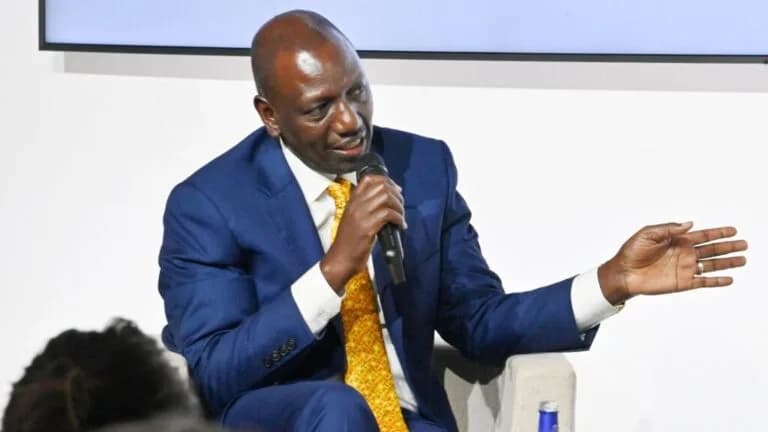
Kenyan President William Ruto does not hold back when describing the global lending system: it is “unfair, it’s punitive, it doesn’t give everybody a fair chance”. Ruto made his blunt assessment in an interview with AFP on the sidelines of a two-day summit in Paris seeking to revamp the international financial order to better help developing nations combat poverty and climate change.
Despite this, Ruto emphasized that Kenya is not seeking handouts. He voiced his opposition to perpetuating a narrative that portrays Africans as victims of climate change constantly seeking favours and complaining. Instead, he emphasized the importance of equality and active participation in finding solutions. Ruto expressed a preference for attracting private investment rather than relying solely on development aid for Kenya. However, he also called for reforms within institutions such as the International Monetary Fund and the World Bank.
Ruto advocated for a re-evaluation of debt management strategies for developing nations, as well as the implementation of international taxes on shipping, aviation, and financial transactions. He highlighted that Kenya currently spends $10 billion annually on servicing its debt and proposed converting the debt owed to international lenders into a 50-year loan facility with a 20-year grace period. This approach would allow Kenya to allocate funds to national development projects and have a significant and immediate impact.
French President Emmanuel Macron, addressing the summit, stressed the need to revitalize the global financial system, asserting that countries should not have to choose between poverty reduction and environmental protection.
The failure of Western nations to fulfill their commitment of providing $100 billion annually in aid by 2020 to help developing countries transition to green economies and enhance resilience against climate change has eroded trust between developing and wealthy nations. This trust deficit is particularly significant as the COP28 climate summit approaches in Dubai later this year. Ruto, determined to demonstrate a robust African response to climate change, announced that Kenya would host the Africa Climate Summit in early September.
Ruto highlighted the inconsistency of Western powers, who swiftly provided substantial financial assistance to Ukraine following Russia’s invasion while showing reluctance in addressing climate change. He stressed that climate change poses an existential threat to all and called for collective action, emphasizing that it is not solely the responsibility of wealthy nations to bear the cost. Ruto expressed a desire to repair trust and avoid blame games, recognizing the urgency of the climate crisis by using strong language to emphasize the gravity of the situation.
In summary, President Ruto is advocating for a fairer global lending system and increased participation of developing nations in finding sustainable solutions to combat poverty and climate change. He seeks to attract private investment while calling for reforms in international institutions and debt management practices. Ruto emphasizes the importance of trust, collective responsibility, and urgent action to address climate change.