Kenya wants to take control of fintechs that fail to pay customers
A payment company in Kenya that runs into financial trouble could lose control of its business under a proposed law giving the central bank power to step in, replace its management and sell the company.
Kenya
A payment company in Kenya that runs into financial trouble could lose control of its business under a proposed law giving the central bank power to step in, replace its management and sell the company.
AI-generated summary. It can miss nuance — read the full story above for the complete picture.
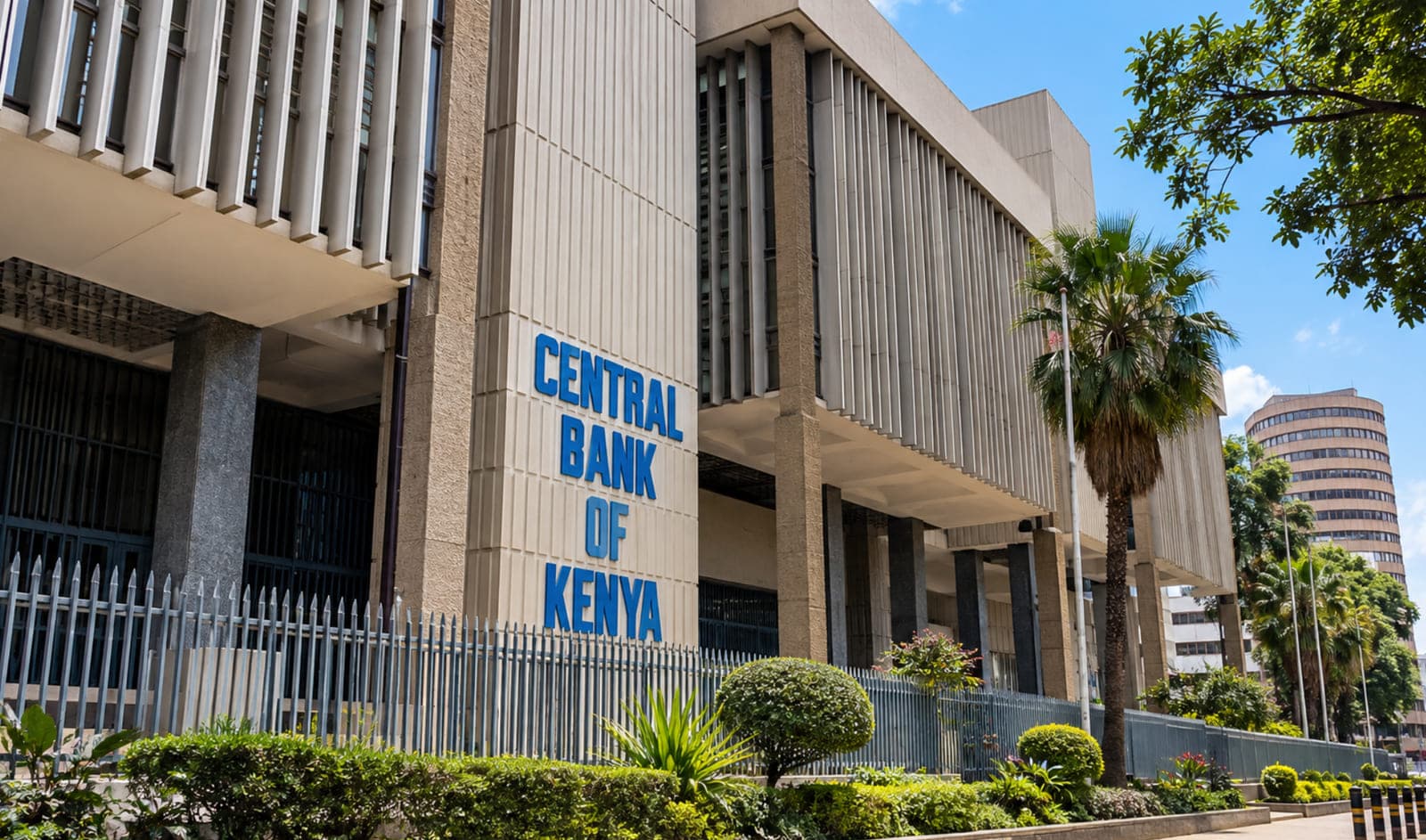
A payment company in Kenya that runs into financial trouble could lose control of its business under a proposed law giving the central bank power to step in, replace its management and sell the company. The Central Bank of Kenya (CBK) wants these powers under the draft National Payment System Bill, 2026. The regulator would be able to intervene when a payment provider cannot meet its obligations to customers or other financial institutions, breaches regulatory requirements or threatens financial stability.
The proposal matters because payment companies handle money that does not belong to them. When one gets into trouble, customers may struggle to access their funds, and businesses may be left waiting for payments. Under the draft bill, CBK could appoint a statutory manager to take over a troubled company and decide what happens next. That could mean keeping the business running under new management or selling it.
Founders and shareholders could lose control
“A takeover would not guarantee that customers could immediately withdraw their money or complete transfers.”
The proposed law would give CBK the power to remove directors and senior officials it considers responsible for a company’s decline. It could also appoint a director who cannot be dismissed without its approval. The regulator could stop a troubled provider from taking on new payment business or appointing additional agents.
Once a statutory manager is appointed, the powers of the company’s directors, significant shareholders, senior officers and trustees would cease unless the manager allows them to continue.
For founders and investors, this could mean losing control of a business they have built or financed. The manager, rather than the existing leadership, would decide how the company is handled. Customers could also face disruption. The draft allows a statutory manager to suspend payments to customers and other creditors while managing the company. A takeover would therefore not guarantee that customers could immediately withdraw their money or complete transfers.
The regulator has acted against payment companies before
CBK revoked the authorisation of Mobile Pay, which operated under the Tangaza brand, in October 2021. The company had failed to submit audited accounts for its business and trust fund, security audits and other required reports, according to the regulator. The proposed bill would give CBK a more detailed set of options when dealing with a payment provider in difficulty. Rather than simply withdrawing its authorisation, the regulator could take control of the business and arrange a sale.
CBK has used similar intervention powers in banking. Imperial Bank went into receivership in October 2015 and was eventually marked for liquidation in December 2021. Chase Bank entered receivership in April 2016 and reopened under KCB’s management that month. A later deal transferred 75% of the value of its deposits to SBM Bank in 2018, while the remaining business went into liquidation in 2021. These cases involved banks, but they show the different ways a financial institution can be handled after the regulator steps in.
A new set of rules for fintechs
The draft bill would replace Kenya’s National Payment System Act of 2011. It also proposes a registration and licensing framework for fintech startups, addressing uncertainty that has made it harder for some payment businesses to enter the market. Kenya has a well-established payments sector, with banks and telecommunications companies playing major roles. New fintechs looking to compete have had to navigate the existing regulatory framework.
A clearer licensing process could help startups understand what they need to do to operate. The same legislation, however, would give CBK more authority over companies that fail to meet their obligations. The bill is still a proposal. If adopted, it would change how payment providers are licensed and give the central bank a formal route to take over a troubled business before it is wound up.