Kenya, Ethiopia Test 1,600km Cross Border Electric Bus Route
East Africa is testing whether electric public transport can operate across national borders, with a 1,600-kilometre electric bus journey from Nairobi to Addis Ababa putting regional charging infrastructure to the test.
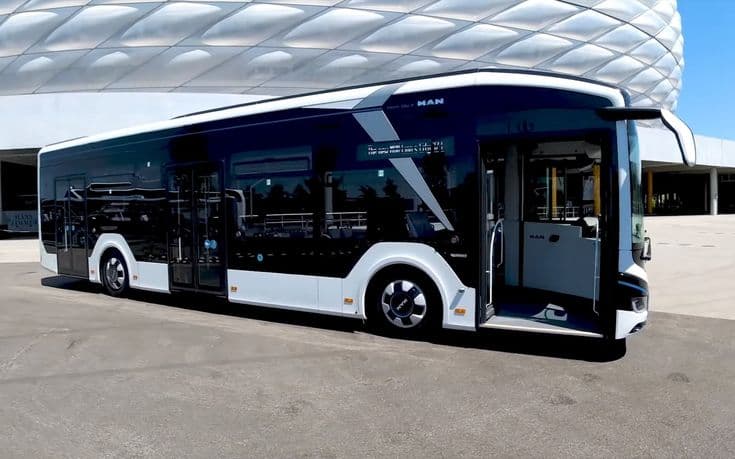
Electric Bus
East Africa is testing whether electric public transport can operate across national borders, with a 1,600-kilometre electric bus journey from Nairobi to Addis Ababa putting regional charging infrastructure to the test.
The journey is being supported by Kenya Power, Advanced Mobility Africa and electric bus manufacturer BasiGo as part of the Nordic-Africa EV Summit in Addis Ababa. The summit runs from September 14–16, while the Nairobi–Addis Ababa bus journey runs from September 10–18.
Kenya Power is providing charging infrastructure for the journey, while BasiGo has supplied the electric bus. The route passes through northern Kenya before entering Ethiopia through Moyale.
The trip follows a 2025 electric-vehicle journey along the same corridor. This time, however, the test involves a passenger bus that must operate across borders while relying on charging infrastructure along the route.
Testing the road beyond national borders
The journey is testing more than whether an electric bus can cover 1,600 kilometres. It also provides a practical test of the infrastructure and coordination needed for cross-border electric transport, including charging, route planning and the movement of vehicles between countries.
The Africa EV Summit has identified interoperability, grid readiness and cross-border coordination as key areas for Africa's electric-mobility transition.
Ethiopia's electric transport push
Ethiopia has moved quickly to promote electric transport. The country has been expanding electric buses and charging infrastructure in Addis Ababa, while its wider transport strategy is increasingly focused on reducing dependence on imported fossil fuels.
The country is also using Addis Ababa as a hub for discussions around electric mobility, with the Nordic-Africa EV Summit bringing together governments, utilities, investors, technology companies and transport operators.
Kenya has also been building its electric-mobility market, with Kenya Power expanding its charging network as demand for electric vehicles increases. The utility said its revenue from EV charging had increased significantly over the past three years.
A bigger test for African e-mobility
Cross-border journeys are becoming an important part of Africa's electric-mobility development. Advanced Mobility Africa has already been involved in electric-vehicle corridor projects linking countries in the region, including a 2026 convoy from Lobito in Angola to Lusaka in Zambia. The organisation has also highlighted plans for further electric freight and mobility corridors across East Africa.
For Kenya and Ethiopia, the Nairobi–Addis journey provides a practical demonstration of what regional electric transport could look like.
If electric buses are to operate between African cities at scale, countries will need more than vehicles. They will also need compatible charging networks, reliable power, suitable routes and agreements that allow operators to move efficiently across borders. The 1,600-kilometre journey offers an early test of whether those pieces can work together.