It’s not that bad- President Ramaphosa on South Africa’s greylisting
According to President Cyril Ramaphosa, South Africa's inclusion on the Financial Action Task Force's (FATF) global grey list is troubling, but "less dire" than others think. The president stated in his weekly message to the nation that the country has gone through a thorough process of correcting the concerns presented by the global financial watchdog,
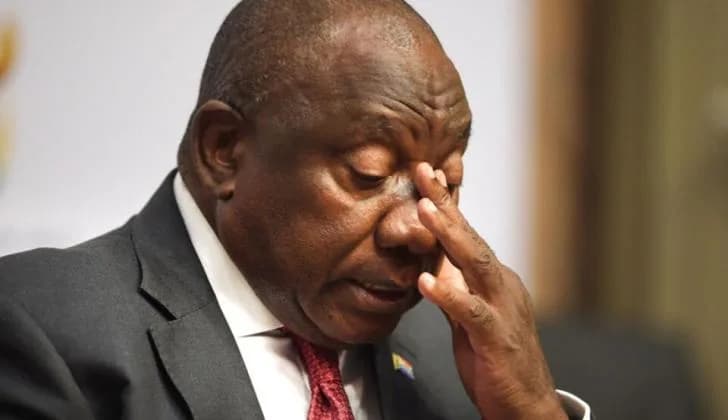
It’s not that bad- President Ramaphosa on South Africa’s greylisting
According to President Cyril Ramaphosa, South Africa’s inclusion on the Financial Action Task Force’s (FATF) global grey list is troubling, but “less dire” than others think.
The president stated in his weekly message to the nation that the country has gone through a thorough process of correcting the concerns presented by the global financial watchdog, and that basics are in place.
“We know what we need to do to get off the grey list. We are determined to do this as quickly as possible,” he said.
According to the president, the listing allows South Africa to tighten its regulations and better its response to organised crime, putting it on a firmer foundation to successfully deal with such crimes.
“It is noteworthy that the strategic deficiencies identified by the FATF do not relate directly to the country’s financial sector. This means that financial stability and costs of doing business with South Africa will not be seriously impacted by the greylisting,” said Ramaphosa.
On February 24, the country was formally greylisted by the FATF, tarnishing its reputation as a business destination and perhaps contributing to greater transaction costs and the need for extra compliance processes when conducting business, particularly overseas.
Despite a slew of new legislation enacted in late 2022, South Africa failed to satisfy all eleven FATF recommendations in 2019 to effectively combat money laundering and terrorism funding.
Despite the fact that the listing was widely anticipated, the rand plunged to its lowest level since May 2020.
According to Intellidex founder and analyst Stuart Theobald, the impact of greylisting is difficult to quantify.
He went on to say that the reputational harm would be difficult to repair.
“Other countries must treat South Africa with a heightened level of suspicion. Several countries require their institutions to apply ‘enhanced due diligence’ of South African counterparts.”
“In practice, this means more frequent assessments, requests for more details on sources of funds and procedures, and more senior management engagement with foreign counterparts. That is if those counterparts will do business with South Africans at all,” Theobald said.
According to Ramaphosa, the greylisting has raised concerns about the country’s financial institutions, law enforcement authorities, and investment climate.
“The situation is concerning, but not as dire as some people suggest,” he added.
The president stated that the first FATF examination occurred in 2019 during the state capture era, which harmed the South African Revenue Service (SARS), the National Prosecuting Authority (NPA), and the Hawks.
According to Ramaphosa, eight of the 67 suggestions have not been addressed since the conclusions of the mutual review report were published in 2021.
“When it comes to developing world-class expertise, legislative reform and strengthening state institutions to combat complex financial crime, we have come a long way. This is notwithstanding deliberate attempts to erode the state’s ability to detect, investigate and prosecute such crimes during the state capture era,” he said.
“We have restored credibility to key institutions like SARS and the NPA to enable them to fulfil their respective mandates. We have bolstered the powers of the Special Investigating Unit (SIU) by establishing a Special Tribunal to recover public funds stolen through corruption and fraud and an Investigative Directorate in the NPA to investigate serious corruption.”
Last Monday, Enoch Godognwana, the minister of finance, pledged increased cash for the police, the NPA, the SIU, and the Financial Intelligence Centre (FIC).
“Like all countries, we are dealing with the shifting sands of globalised crime and criminal syndicates. The challenge facing authorities is to anticipate criminal innovation and to respond swiftly and effectively.”
It is now up to South Africa to demonstrate, among other things:
- An increase in the investigation and prosecution of serious and complex money laundering and terrorism financing
- An increase in mutual legal assistance requests to other countries
- An increase in the use of financial intelligence by law enforcement agencies
- The effective implementation of targeted financial sanctions