Exxaro experiences over 30% in profit drops
The net operating profit for the first half of this year for Exxaro went down by 32% because of a bearish coal market, price declines, and lacklustre rail performance in South Africa. Exxaro released its results for the six-month period ended 30 June 2023, but before it released the results, the company informed shareholders that
Exxaro-experiences-over-30-in-profit-drops
The net operating profit for the first half of this year for Exxaro went down by 32% because of a bearish coal market, price declines, and lacklustre rail performance in South Africa.
Exxaro released its results for the six-month period ended 30 June 2023, but before it released the results, the company informed shareholders that it expected a significant decline in earnings for the period. Its headline earnings for H1 2023 decreased by 29% to R5.91 billion (H1 2022: R8.29 billion).
Mainly, the decrease in headline is due to the 28% decrease in group EBITDA and a 24% decrease in adjusted equity-accounted income, Exxaro said. Its weighted average number of shares of 242 million remained unchanged, which then translates into headline earnings per share of 2,443 cents per share (H1 2022: 3,426 cents per share).
This led to the company’s net operating profit decline from R9.20 billion in H1 2022 to R6.32 billion in H1 2023. The cash flow generated by Exxaro’s operations also decreased by 34% to R6.25 billion (H1 2022: R9.43 billion). With that being said, this cash flow and the dividends received from its equity-accounted investments of R1.79 billion (H1 2022: R3.03 billion) were sufficient to fund the company’s capital expenditure and ordinary dividends paid.
The total capex for Exxaro shot up to R801 million (H1 2022: R744 million), comprising R788 million sustaining capex and R13 million expansion capex. Exxaro revealed that the bearish market sentiment in the first half of this year is attributable to price declines arising from sufficient gas and coal stocks in Europe, exacerbated by warmer-than-usual winter temperatures, strong renewables performance and materially lower gas prices.
The company mentioned that the lower coal prices increased demand for South African coal from India. However, demand from India retreated in 2022 due to soaring prices. The company also added by saying: “Changes in global trade flows were evident as Australia resumed supply into China and Russian supplies to Europe and Japan reduced materially. Europe’s reassessment of coal-fired power capacity for the upcoming winter is continuing, with mixed decisions from different governments, as the drive to phase out coal gains momentum in that region.”
Exxaro also said South Africa’s market remained stable in the first half of 2023 “despite a depressed export pricing environment”. And it added by saying: “The decline in export prices, however, impacted the economics of exporting through alternative ports. Demand for low calorific value coal remained resilient as domestic end-users continued to offtake power station coal from various Exxaro mines.”
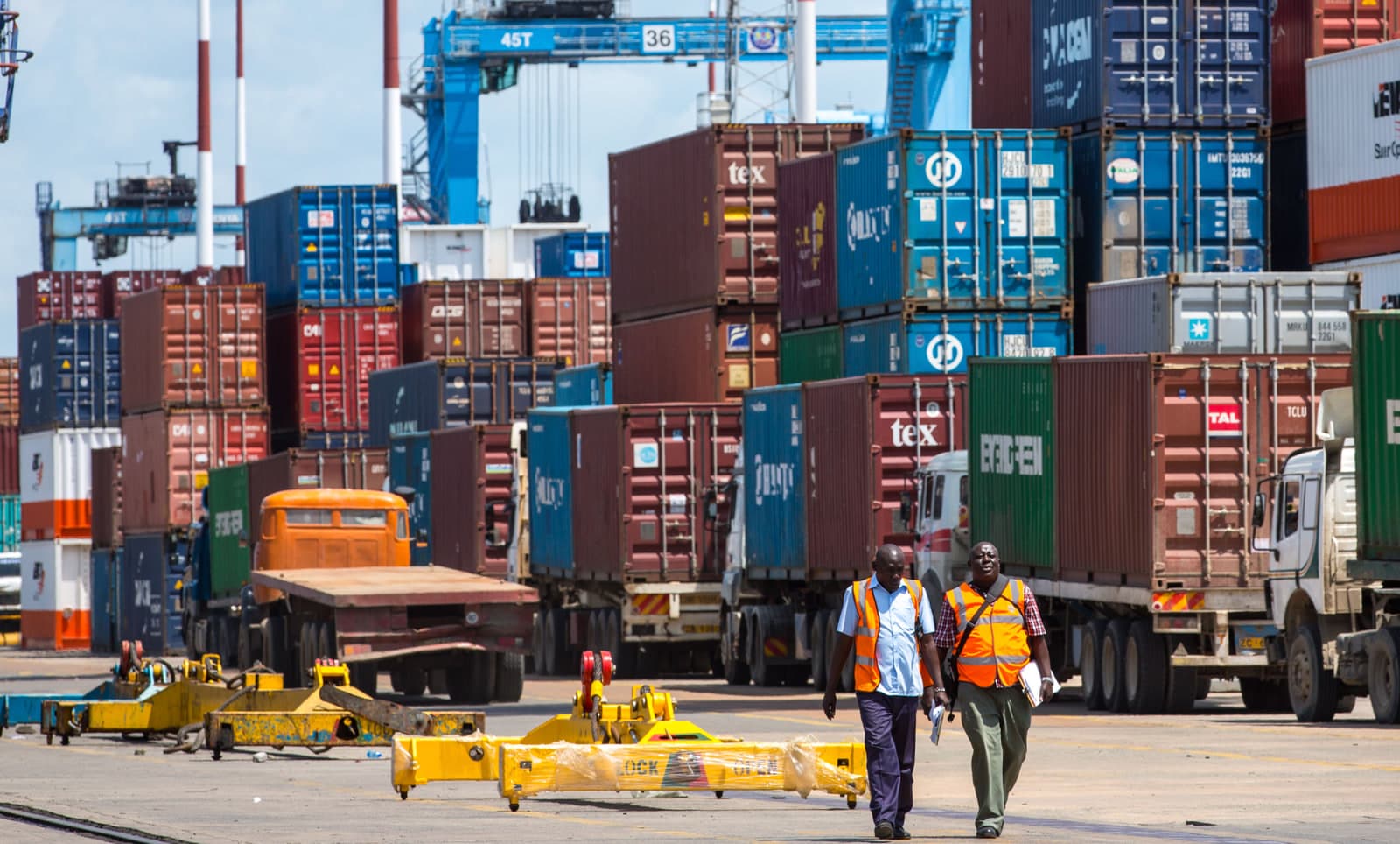
Also pointing out to the lacklustre rail performance in South Africa due to locomotive availability, cable theft, derailments and vandalism as an ongoing challenge for the company, Exxaro also said the collaboration by the Trasnet Freight Rail-Industry Recovery Team realised some benefits and service levels did not deteriorate further.
Even though the company has been making these efforts, Exxaro railed only 2.45 Mt of export coal to the Richards Bay Coal Terminal (RBCT) in H1 2023, compared to 2.54 Mt for the same period last year. However, the poor rail performance also negatively impacted Arcelor Mittal SA’s offtake for the period. Additionally, the average benchmark All publications index (API) 4 RBCT export price of $130 per tonne was 53% lower in H1 2023 compared to the previous period.
The results for this was a 52% decrease in the average realised export price for Exxaro of $127 per tonne (H1 2022: $262 per tonne). However, the company said that despite this price decline, Exxaro realised 98% of the average API price based on its sales mix.
The company said moving forward, it expects rand volatility, inflationary pressures, and the country’s logistical challenges to persist in 2023. Exxaro said rising industrial activity and hot northern hemisphere summer weather have the potential to support energy demand during 2H23.