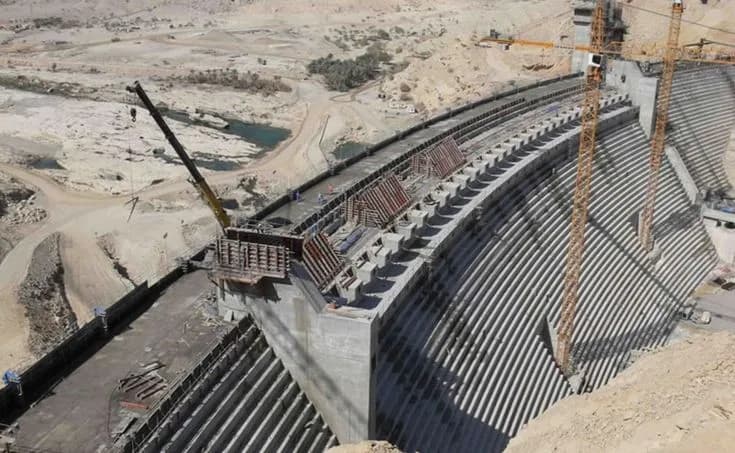
Eskom granted exemption to exceed emission limits at Kusile
South Africa's power utility, Eskom has been granted permission by Forestry, Fisheries, and Environment Minister Barbara Creecy to exceed sulphur dioxide emission limits at the Kusile power station. The move is aimed at reducing the country's exposure to load shedding, a situation that has had significant socio-economic impacts on all South Africans. Load shedding occurs
Eskom granted exemption to exceed emission limits at Kusile
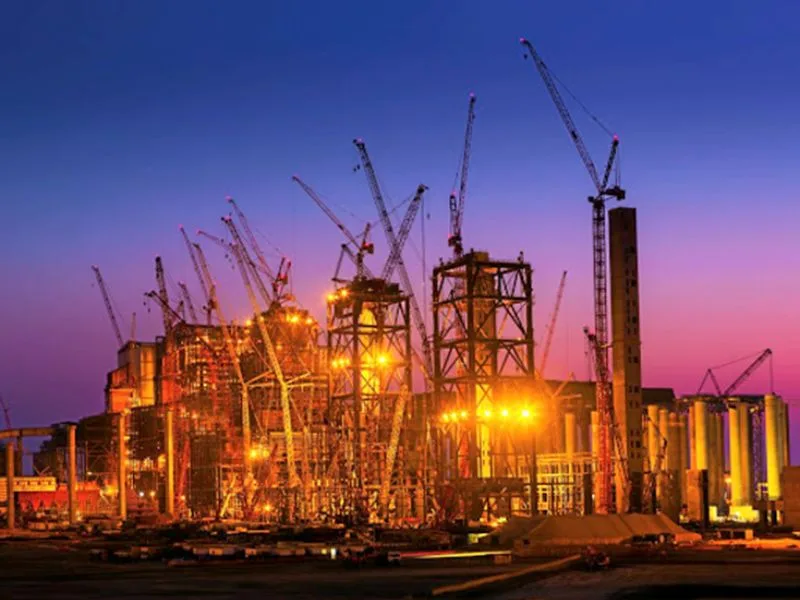
South Africa’s power utility, Eskom has been granted permission by Forestry, Fisheries, and Environment Minister Barbara Creecy to exceed sulphur dioxide emission limits at the Kusile power station.
The move is aimed at reducing the country’s exposure to load shedding, a situation that has had significant socio-economic impacts on all South Africans.
Load shedding occurs when Eskom cannot meet the electricity demand, forcing the utility to implement scheduled power cuts in different areas across the country.
The exemption, granted in terms of Section 59 of the National Environmental Management: Air Quality Act, is subject to several conditions that Eskom must adhere to.
Firstly, the utility must issue a public notice in two national newspapers explaining the reasons for their application. Eskom must also conduct a public participation process subject to a curtailed timeframe of 14 days.
The company must also account to Creecy and the parliamentary portfolio committee on
forestry, fisheries, and the environment on the progress of the repair of the damaged stack.
Finally, Eskom must take measures to mitigate against the exposure of its employees and surrounding communities to harm.
At a minimum, this must include independent health screenings and referral to appropriate public health facilities for treatment where necessary.
The exemption will allow Eskom to restore lost generation capacity at Kusile while a damaged stack undergoes repairs due for completion in December 2024.
In the interim, Eskom plans to construct temporary stacks by November 2023, which will be operated without the use of the Flue Gas Desulphurisation mechanism for 13 months.
This will likely result in increased sulphur dioxide emissions during this period, in excess of the currently applicable limit in Kusile’s Atmospheric Emission License.
Despite the exemption, Creecy acknowledged the well-documented socioeconomic impacts of load shedding and the associated health risks of exposure to sulphur dioxide emissions, particularly in communities in close proximity to coal-fired power stations. In light of the competing factors, she described her decision as “extraordinarily difficult.”
The temporary solution will allow for the resumption of generation capacity of 2,100MW, reducing the country’s exposure to load shedding by two levels. However, Eskom will need to apply to the National Air Quality Officer for a once-off postponement with the compliance timeframes for minimum emission standards for new plants. The once-off postponement can only be valid until 31 March 2025, in terms of the applicable regulations.
In conclusion, Eskom’s exemption to exceed sulphur dioxide emission limits at the Kusile power station has been granted, subject to several conditions.
The exemption is aimed at alleviating South Africa’s severe electricity crisis and reducing the country’s exposure to load shedding by two levels.
However, Eskom will need to take measures to mitigate the health risks associated with exposure to sulphur dioxide emissions and adhere to the conditions set by Creecy’s department.