
Dlamini-Zuma issues Eskom load-shedding disaster regulations
Nkosazana Dlamini-Zuma, Minister of Cooperative Governance, gazetted legislation for South Africa's national state of disaster due to the energy crisis. The regulations specify that "critical electronic communications and broadcasting infrastructure" is required. It gives cabinet ministers the authority to provide load-shedding exemptions for this critical infrastructure. However, the authority to provide exclusions is limited. Load-shedding
Dlamini-Zuma issues Eskom load-shedding disaster regulations
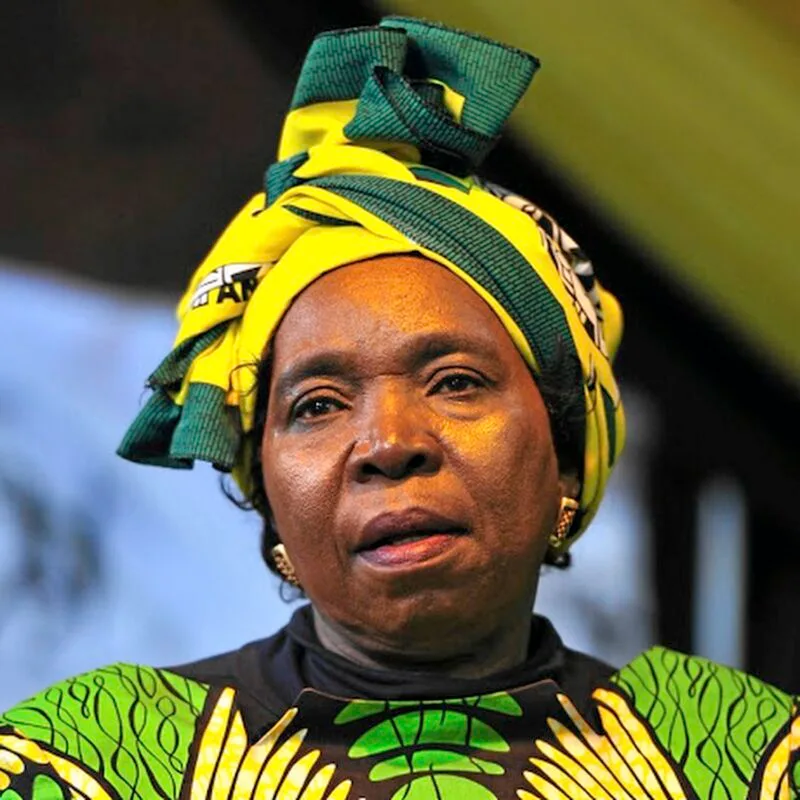
Nkosazana Dlamini-Zuma, Minister of Cooperative Governance, gazetted legislation for South Africa’s national state of disaster due to the energy crisis.
The regulations specify that “critical electronic communications and broadcasting infrastructure” is required. It gives cabinet ministers the authority to provide load-shedding exemptions for this critical infrastructure.
However, the authority to provide exclusions is limited.
Load-shedding exemptions or reduced rotating power cut schedules for selected critical infrastructure and services may be given only when technically viable.
Exemptions must also be consistent with the System Operator’s responsibilities and obligations, and only to the extent that exemptions or reductions do not raise the risk of higher stages of load shedding.
The Eskom System Operator is in charge of balancing supply and demand on South Africa’s electrical system and determining the stage of load-shedding that consumers must follow.
Its customers include municipalities and Eskom, who create and implement load-shedding schedules in accordance with the System Operator’s specifications.
Each 1,000MW of electrical capacity removed from the system on a national scale indicates a load-shedding stage.
South Africa’s communications minister, Khumbudzo Ntshavheni, would be allowed to give directives on distributing information essential for coping with the national state of disaster, in addition to giving exemptions to telecommunications infrastructure.
Mobile network carriers and broadcasters will be forced to make free public service announcements on the national state of disaster.
The regulations provide that any directives issued by cabinet ministers must be within the scope of their mandate and must be made in conjunction with Dlamini-Zuma and other relevant cabinet members.
Exemptions may also be granted for health, water, sewerage, rail, ports, and food production and storage facilities.
To maximise water treatment while energy is available, water boards and municipalities will be required to adjust reservoir minimum operational levels, expand water treatment and reservoir storage capacity, and revise water treatment schedules.
Further actions to protect water security may be authorised by the relevant cabinet ministers.
They may also exempt water boards or municipalities that are water service authorities from fines if the announced maximum demand is exceeded during load-shedding times.
Environmental impact exemptions, feed-in tariffs
In addition to possible exclusions for important infrastructure, the regulations address environmental impact limits and the development of feed-in tariffs for people and companies to sell power into the grid.
The regulations will specifically allow:
- Streamlining the application and decision-making processes for environmental authorisations, waste management licences, atmospheric emission licences, condonations and exemptions associated with energy infrastructure and generation, transmission and distribution facilities, for the duration of the national state of disaster;
- excluding upgrades, refurbishments, adjustments and repairs of existing energy infrastructure and existing generation, transmission and distribution facilities, from the provisions of the National Environmental Management Act, or any specific environmental management Act, or any regulations published in terms thereof, for the duration of the national state of disaster;
These laws appear to open the path for quick-and-dirty repairs to the Kusile power plant, as well as potentially expediting an emergency power supply arrangement with the contentious Karpowership.
It should be highlighted that the ANC has been linked to a possibly fraudulent tender involving Kusile’s boilers, which former Eskom CEO André de Ruyter claims are not suitable for the plant.
Nonetheless, the legislation might open the way for the quick implementation of feed-in tariffs and the integration of privately generated solar electricity into the grid. It will specifically allow cabinet ministers to make directives for:
- Facilitating the sale of electricity generated by individuals, organs of state or private institutions to license distributors as defined in the Electricity Regulation Act 2006 (Act No. 4 of 2006); and
- issuing of rules or guidelines for licensed distributors to implement net billing and other mechanisms to facilitate small-scale embedded generation as well as wheeling of electricity.
Importantly, the regulations enable all activities authorised during the catastrophe status to continue when it ends.
This is stipulated as follows:
An activity which is permitted by an authorisation or exemption granted in terms of regulations or directions issued during the national state of disaster remains lawful notwithstanding the termination of the national state of disaster.
According to a government statement published on Tuesday, these catastrophe laws are the result of a meeting of the President’s Coordinating Council as well as a special meeting of Cabinet on the evening of Monday, February 27, 2023.
At his state of the nation speech on February 9, President Cyril Ramaphosa announced that his administration has declared a national state of calamity to address South Africa’s energy problem.