COMESA wants more renewable projects to get past the planning stage
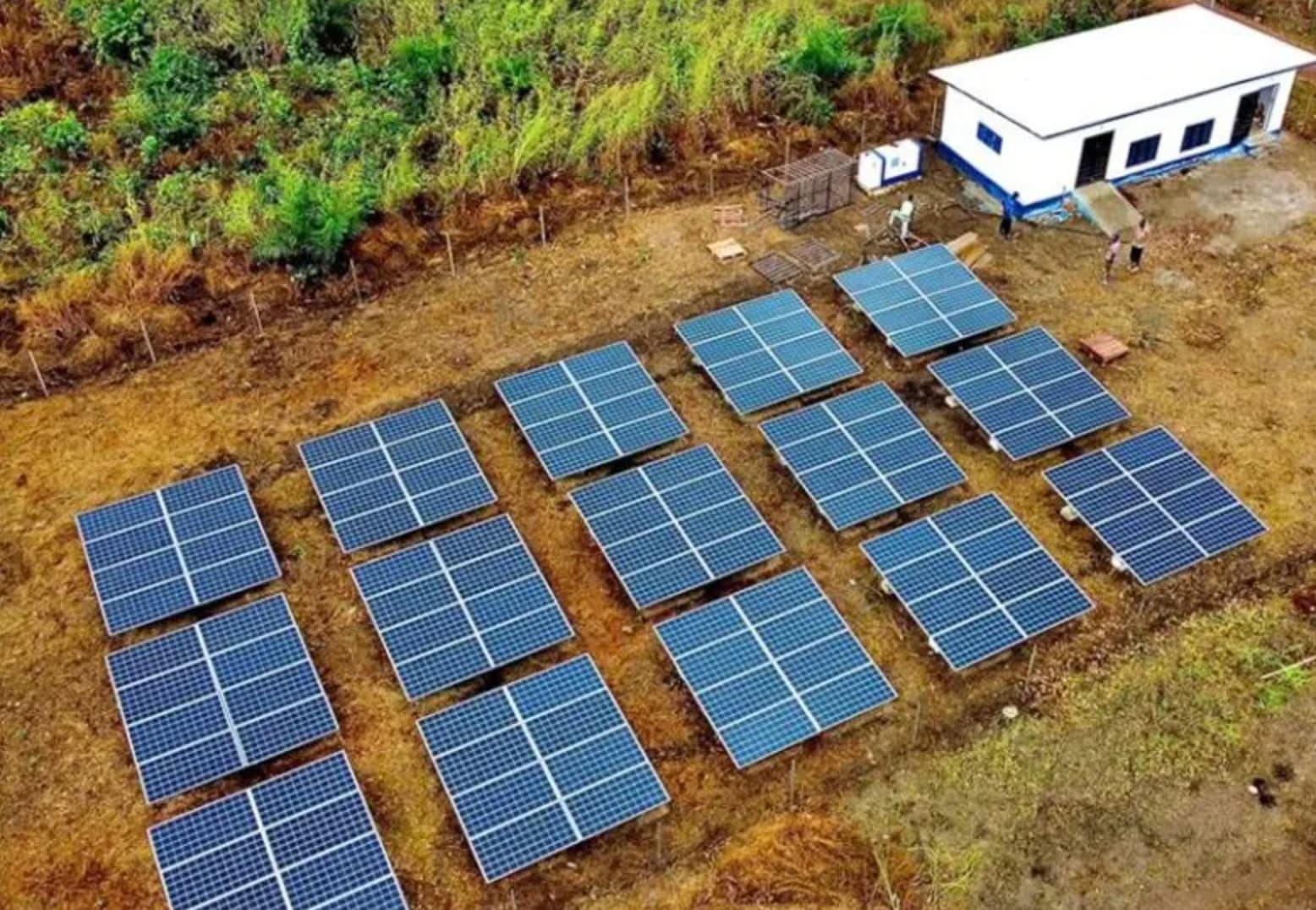
Africa does not have a shortage of renewable energy ideas. There are solar projects being proposed, mini-grids being planned and companies selling power systems to businesses.
Comesa
Africa does not have a shortage of renewable-energy ideas. There are solar projects being proposed, mini-grids being planned and companies selling power systems to businesses. The problem comes when a developer has to turn that idea into a project that a bank or investor is willing to finance.
AI-generated summary. It can miss nuance — read the full story above for the complete picture.
Africa does not have a shortage of renewable-energy ideas. There are solar projects being proposed, mini-grids being planned and companies selling power systems to businesses. The problem comes when a developer has to turn that idea into a project that a bank or investor is willing to finance. COMESA is trying to tackle that part of the process.
The regional bloc signed a memorandum of understanding with the Alliance for Renewable Electrification (ARE) on 24 September. The agreement covers renewable electricity, project preparation, private investment and electricity access across Eastern and Southern Africa. COMESA has 21 member states, representing more than 640 million people. ARE represents more than 170 renewable energy companies. There is no new power plant attached to the agreement. The work is happening earlier in the process.
The part investors don't see
“A renewable-energy project can look promising and still be nowhere near construction.”
A renewable-energy project can look promising and still be nowhere near construction. A developer needs to work out how much the project will cost, where the electricity will go, what customers will pay for it and whether the numbers still work after financing costs and other risks are included.
Technical and feasibility studies also have to be done. This is expensive work, and smaller developers can struggle to pay for it before they have secured funding. COMESA already has a Project Preparation Facility through its ASCENT programme.
It provides technical assistance and other support to governments and private companies working on energy-access projects. The facility covers areas such as feasibility studies, investment-grade studies, digitalisation, credit risk support and connecting suppliers with distributors. COMESA says nearly 80% of infrastructure projects in Africa fail before reaching the feasibility stage. That number helps explain why project preparation has become part of the financing discussion.
What the new agreement changes
COMESA and ARE plan to share market information, run training and study programmes and bring renewable-energy companies into policy discussions. They will also work with developers on investment readiness and bankable project pipelines, and arrange introductions between developers, businesses and investors.
For an energy company, that could mean getting help with the work needed before approaching a financier. It does not guarantee funding. It simply gives a developer a better chance of arriving at the funding discussion with a project that can be assessed.
There is work beyond the power plant
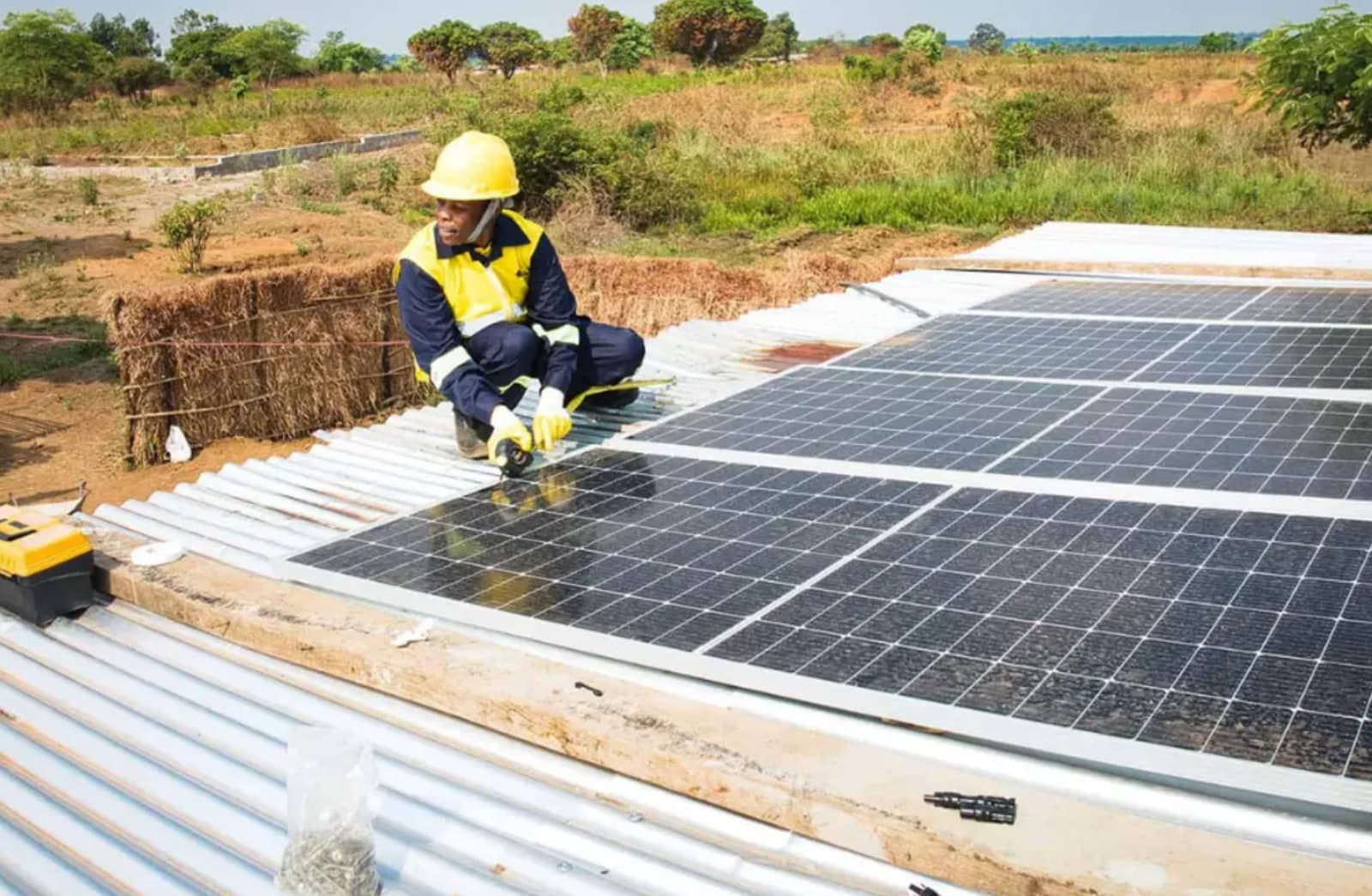
The effect could also reach smaller businesses. A renewable energy project needs people to survey sites, install equipment, move machinery, build foundations, handle electrical work and maintain the system after it starts operating. A mini-grid company may need local installers and technicians. A commercial solar developer may need electricians, roof contractors, security companies and transport providers. These businesses do not need to own the project.
They need the project to reach construction. That is why the early financing work matters to companies that may never appear in the headline announcing the solar plant.
The demand is there
COMESA's ASCENT programme is being rolled out across 20 countries in Eastern and Southern Africa. The programme aims to support new electricity connections for about 100 million people over seven years. COMESA's regional platform includes grid expansion, distributed renewable energy and clean cooking, with a $5 billion IDA financing envelope and plans to bring in additional public and private capital. There is therefore no shortage of potential customers for new electricity projects. The difficult bit is getting individual projects through the studies, approvals and financial work needed to start construction.
That is the gap COMESA and ARE are trying to address. For investors, the question is whether more projects will emerge that are ready for financing. For developers, it is whether the preparation work becomes cheaper and easier. For smaller suppliers, it comes down to something much simpler: whether more energy projects actually get built.