Coca-Cola HBC clears South African hurdle on $2.6bn African bottling deal
Coca-Cola HBC has cleared a major South African regulatory hurdle in its $2.6 billion purchase of Coca-Cola Beverages Africa (CCBA). South Africa's Competition Tribunal approved the transaction on 11 September 2026, subject to conditions dealing with public-interest issues.
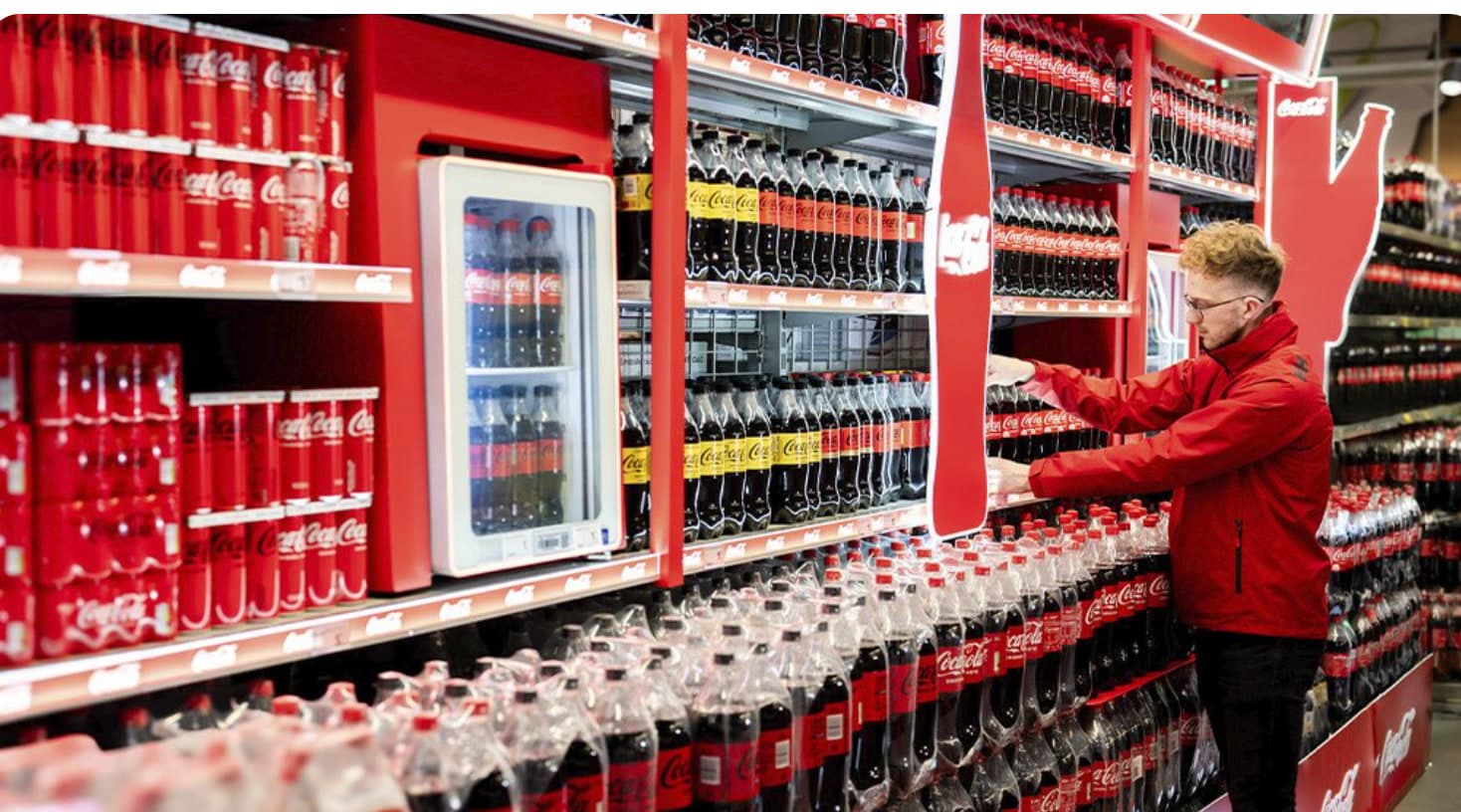
Coca-Cola
Coca-Cola HBC has cleared a major South African regulatory hurdle in its $2.6 billion purchase of Coca-Cola Beverages Africa (CCBA). South Africa's Competition Tribunal approved the transaction on 11 September 2026, subject to conditions dealing with public-interest issues. The deal will give Coca-Cola HBC control of CCBA, one of the largest Coca-Cola bottling businesses on the continent.
AI-generated summary. It can miss nuance — read the full story above for the complete picture.
Coca-Cola HBC has cleared a major South African regulatory hurdle in its $2.6 billion purchase of Coca-Cola Beverages Africa (CCBA). South Africa's Competition Tribunal approved the transaction on 11 September 2026, subject to conditions dealing with public-interest issues. The deal will give Coca-Cola HBC control of CCBA, one of the largest Coca-Cola bottling businesses on the continent.
Coca-Cola HBC agreed in October 2025 to buy a 75% controlling stake in CCBA from The Coca-Cola Company and Gutsche Family Investments. The transaction puts the equity value of the entire CCBA business at about $3.4 billion, although Coca-Cola HBC is paying $2.6 billion for the controlling stake. The transaction is still subject to the remaining regulatory requirements, with completion targeted for the end of 2026.
The approval comes with conditions
For smaller businesses around Coca-Cola's supply chain, what happens after the takeover may matter more than the $2.6bn price tag.
The Tribunal's decision followed a hearing involving the Competition Commission, Coca-Cola HBC, CCBA and other parties, including the National Union of Food, Beverage, Wine, Spirit and Allied Workers, which represents CCBA employees. Former owner-drivers who had been involved in Coca-Cola's distribution network also made submissions during the process. The conditions are aimed at addressing public interest concerns raised during the merger process. They include commitments around employment, distribution and retail investment in South Africa. Coca-Cola HBC has also committed to pursuing a secondary listing on the Johannesburg Stock Exchange. That means the deal is not simply a change in ownership. The buyer will have commitments to meet once the transaction is completed.
A much larger African bottler
CCBA operates across 14 African countries and accounts for about 40% of Coca-Cola product volumes sold across Africa. Coca-Cola HBC already operates in countries including Nigeria and Egypt. Adding CCBA will significantly increase its presence on the continent and extend its operations into markets including South Africa, Kenya and Ethiopia. Coca-Cola HBC expects the combined business to represent about two-thirds of Coca-Cola's system volume in Africa and reach more than half of the continent's population after the acquisition. For Coca-Cola HBC, the deal is therefore about building a much larger African bottling operation rather than simply taking over another beverage company.
What this means for suppliers and SMEs
The transaction also reaches into the businesses that sit around Coca-Cola's bottling operations. CCBA depends on companies involved in transport, warehousing, packaging, equipment maintenance, distribution and retail. The commitment to invest in South Africa's distribution and retail network could create additional work for some of these businesses. Smaller logistics operators, maintenance companies and other suppliers could benefit if the investment results in more contracts or expanded distribution capacity.
But the outcome will depend on how Coca-Cola HBC manages the business after the takeover. A larger international group may also change procurement systems, supplier requirements or distribution arrangements. Some SMEs could gain access to a larger network, while others may have to meet new standards or compete for contracts under a different procurement structure.
The same applies to owner-drivers and smaller transport businesses. Their concerns were part of the Tribunal process, so changes to Coca-Cola's distribution model will be worth watching once the deal closes.
South Africa could get a new JSE-listed company
Another part of the deal is the planned secondary listing of Coca-Cola HBC on the JSE. Coca-Cola HBC is already listed in London and Athens. The proposed South African listing would give local investors another way to gain exposure to the group after the CCBA transaction is completed. It also gives Coca-Cola HBC a stronger connection to the South African market, where CCBA is headquartered. The JSE listing is still a future step rather than something that happens automatically when the merger closes.
The deal is not finished yet
The Competition Tribunal approval removes one of the major South African regulatory hurdles, but Coca-Cola HBC still has to complete the remaining requirements before it can take control of CCBA. For South Africa, the bigger issue now moves from whether the transaction will be approved to what happens after the ownership changes. That includes how Coca-Cola HBC manages CCBA's workforce, suppliers, distribution network and investment plans. For SMEs working around the beverage industry, those decisions could matter more than the headline $2.6 billion price tag.