
Client Ordered to Refund Discovery R1.64 Million After Fraudulent Insurance Claim
The Supreme Court of Appeal recently ordered a Pretoria homeowner to refund Discovery R1.64 million, plus other costs, for a genuine storm damage and household contents insurance claim. The court determined that a portion of the claim related to emergency accommodation was fraudulent, giving the insurer the right to cancel the policy retroactively from the

Client Ordered to Refund Discovery R1.64 Million After Fraudulent Insurance Claim
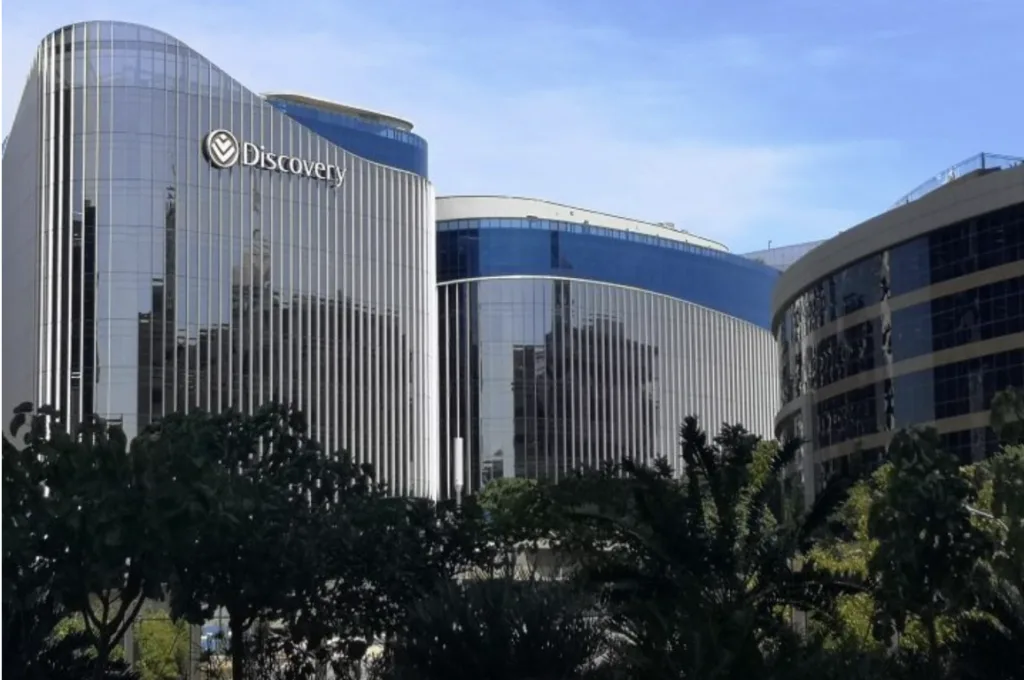
The Supreme Court of Appeal recently ordered a Pretoria homeowner to refund Discovery R1.64 million, plus other costs, for a genuine storm damage and household contents insurance claim. The court determined that a portion of the claim related to emergency accommodation was fraudulent, giving the insurer the right to cancel the policy retroactively from the date of the insured incident.
The decision, delivered by Supreme Court of Appeal (SCA) Judge Xola Petse and acting SCA Judge Mokgere Masipa, with judges Halima Saldulker, Nolwazi Mabindla-Boqwana, and Sharise Weiner concurring, upheld Discovery’s appeal against the previous judgement handed down by the Pretoria High Court in September 2021. As a result, Tshamunwe Masindi has been ordered to refund Discovery R1,594,980.12.
Discovery and Masindi’s legal battle began on December 14, 2017. Masindi had taken out an insurance policy with Discovery in May 2016 that covered his Pretoria home and household contents. The policy provided for repairs to the insured property, damage to household contents, and alternate emergency lodging if the property became uninhabitable due to covered events.
The policy stated unequivocally that if any part of a claim was fraudulent, Discovery had the absolute right to cancel the policy retroactively from the date of incident reporting or the actual date of the incident. In such cases, the insured would lose all policy benefits as of the date of cancellation.
Masindi’s house and household contents were severely damaged by a severe storm on November 11, 2016, rendering the residence uninhabitable. Masindi responded by filing a claim with Discovery for repairs to the insured property, compensation for household contents damage, and reimbursement for emergency lodging expenses.
Discovery initially paid the claim in full but later discovered that the portion relating to emergency lodging was fraudulent. As a result, on November 11, 2016, Discovery exercised its right to cancel the policy retroactively and sought to recover the full amount previously paid to Masindi.
However, the Pretoria High Court ruled that Discovery could only reclaim the portion of the claim that was tainted by fraud, leaving the genuine portion of the claim unaffected. Masindi had accrued rights to payment of the genuine portion, according to the court, and enforcing the policy clause on forfeiture of fraudulent claims would result in disproportionate prejudice to him. Furthermore, the High Court interpreted the policy clause to be a penalty clause under the Conventional Penalties Act and refused to enforce it.
Masindi claimed R972,592.67 for the genuine component of the claim, which covered damage to the residence and household contents. Masindi contended that Discovery could not recover this amount because it had already accrued and been paid to him before the policy was terminated.
The Supreme Court of Appeal emphasised in its decision that clause 5.13 of the policy, which deals with fraudulent claims, is clear and unambiguous. The court emphasised the significance of enforcing this clause in order to protect insurers from fraudulent claims and discourage insured individuals from attempting to benefit from falsely inflated claims.
In this case, the court rejected the doctrine of accrued rights because the forfeiture clause applied retroactively from the date of the incident that gave rise to the claim. Furthermore, the court noted that the parties did not raise the issue of the Conventional Penalties Act during the High Court proceedings, emphasising that courts should not go beyond the scope of the issues raised by the litigants themselves.
The Supreme Court of Appeal concluded that the High Court’s interpretation had overlooked the explicit provision in clause 5.13, which allowed Discovery to terminate the policy retroactively from November 10, 2016, the date of the incident. As a result, by the time Masindi filed his claim on November 11, 2016, he had already forfeited all benefits under the policy. As a result, Discovery was not required to pay any additional amounts to Masindi after the policy expired.