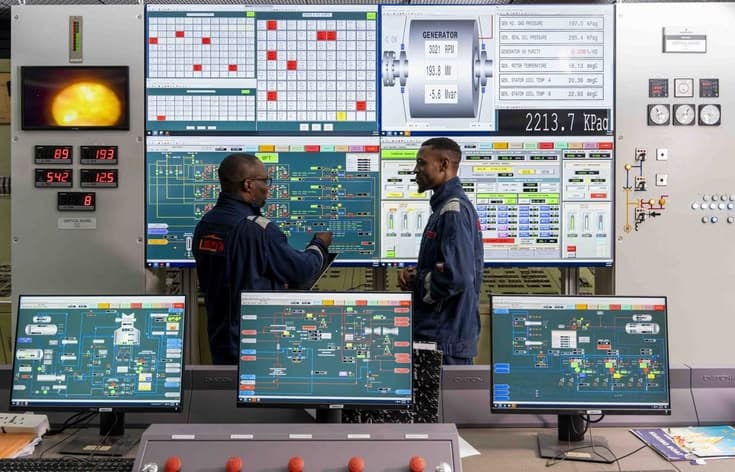
A Medupi built solely by South Africans
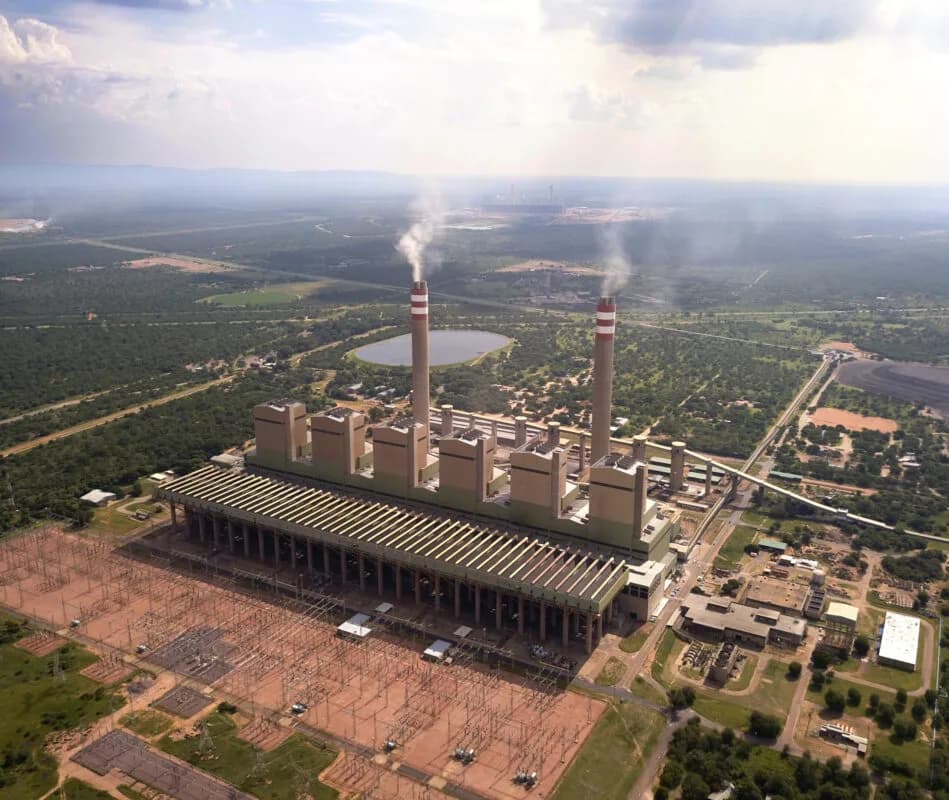
Building enough electricity generation to power two million homes in South Africa is something that can undermine the entire state. The Medupi and Kusile coal power stations began their work in 2007, and with some of the largest generators ever conceived, at 4.8GW each to be specific, have become emblems for the chronic problems plaguing
A-Medupi-built-by-South-Africans
Building enough electricity generation to power two million homes in South Africa is something that can undermine the entire state. The Medupi and Kusile coal power stations began their work in 2007, and with some of the largest generators ever conceived, at 4.8GW each to be specific, have become emblems for the chronic problems plaguing sub-Saharan Africa’s most developed economy.
Almost a decade later and billions over budget, the R300-billion plants are mired in a welter of alleged corruption and mismanagement, will never turn an economic profit, and still haven’t been finished. Their impact on crumbling state-owned utility Eskom, is one of the many reasons why credit ratings companies downgraded the country’s debt to junk status six years ago.
For many years, South Africa has been a laggard on renewable generation. It still gets about 84% of its electricity from coal, by some margin the highest level among major economies. A thicket of red tape has until recently protected Eskom, requiring that all solar panels be made locally (a near-impossible task given the state of the manufacturing sector) and allowing the utility a veto on all but the smallest grid-connected renewable plants.
President Cyril Ramaphosa started his political career running a union for black mineworkers in the struggle against apartheid, so Coal has deep political roots also.
Almost R50-billion of solar equipment has been brought in during the first half of this year, equivalent to the combined total in the previous two years, according to Gaylor Montmasson-Clair, an economist at think tank Trade & Industrial Policy Strategies. Because of that the estimated capacity of solar panels on rooftops has risen from 983MW in March 2022 to a Medupi- or Kusile-sized 4.7GW last month, according to Eskom. BloombergNEF estimates that home systems will account for the majority of a further 3.2GW of panels that will be connected this year.
It’s not just individuals getting involved, either. Units of Daimler Truck and Toyota this year announced major solar installations to help power their operations. Another started last October at a Heineken brewery, while Sibanye Stillwater and Anglo American are partnering with renewable developers to provide electricity for their mines.